

Combined Cadet Force (CCF)
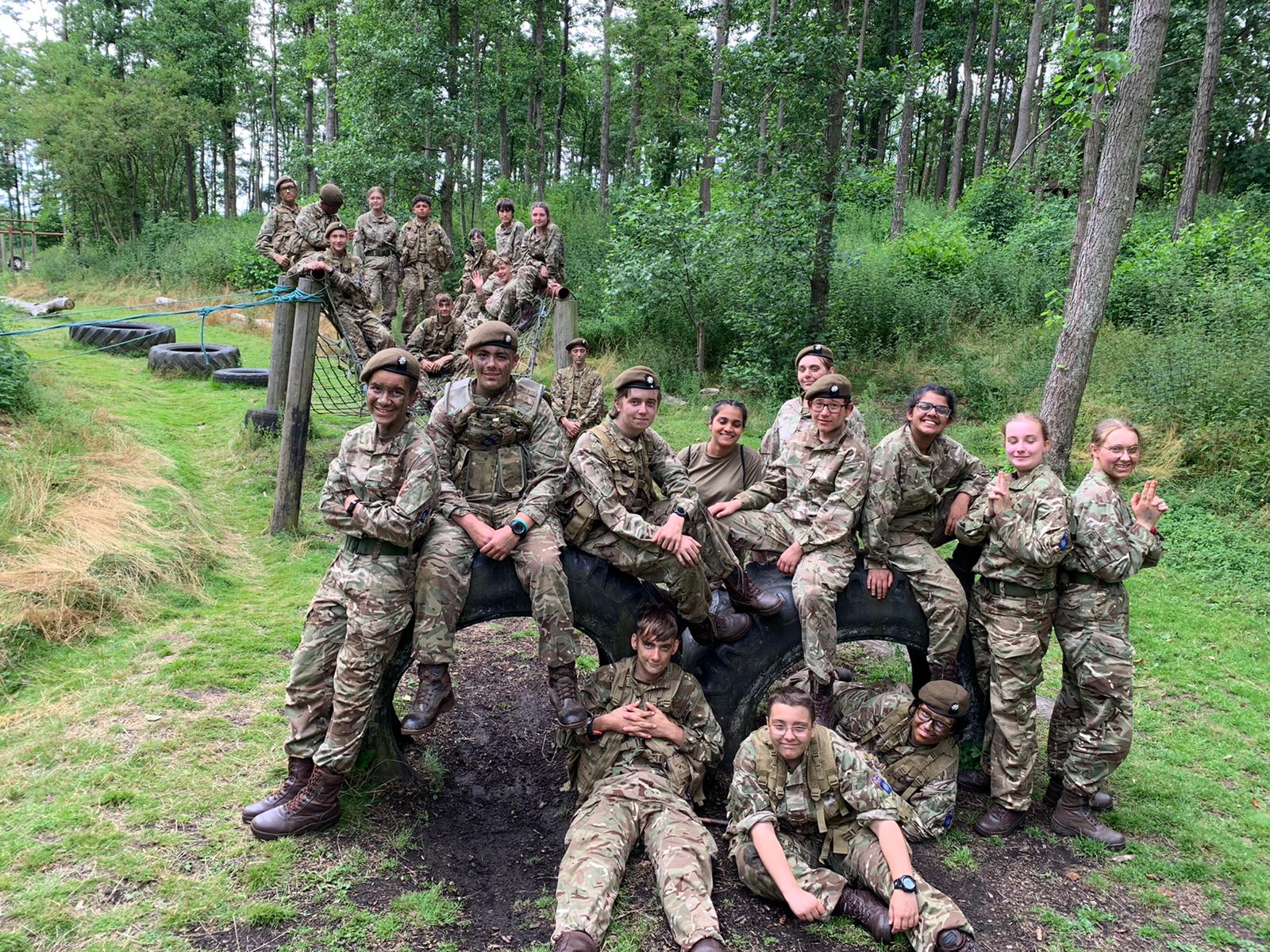
There are CCF contingents in over 500 secondary schools all over the UK, offering young people a broad range of challenging, exciting, adventurous and educational activities. At Sir Christopher Hatton Academy, we are pleased to have our own CCF Army Contingent that launched in September 2019.
Our aim is to set young people up for lifelong success and inspire cadets to achieve. We promote the qualities of leadership, resilience, teamwork and confidence through a structured programme of training, outdoor adventure and leadership experiences.
Cadets take part in weekly training alongside trips, field exercises and residential camps. These experiences help students develop valuable life skills while working towards recognised cadet awards and leadership opportunities.
Students are invited to apply to join the CCF towards the end of Year 8, with successful applicants beginning their cadet training in Year 9.
There is no commitment or expectation for cadets to join the regular Armed Forces when they have completed their schooling.
CCF Organisation
Capt Ed Clayton
Contingent Commander
AUO Toni Austin
School Staff Instructor
Sgt Aaron Blackwood
Instructor
Sgt Lewis Gaiskell
Instructor
CCF Timeline
Weekly Training
CCF training takes place every Tuesday from 3:00pm – 5:00pm.
During parade evenings, cadets take part in a range of practical activities including:
- Leadership and teamwork challenges
- Navigation and map reading
- Fieldcraft and outdoor skills
- Drill and discipline
- First aid training
- Problem-solving and communication exercises
These sessions form the core of the cadet programme and allow students to develop both practical skills and personal confidence.
Trips, Camps and Enrichment Opportunities
Cadets have the opportunity to take part in a range of additional activities throughout the year, which may include:
- Annual Cadet Camp – a residential experience involving field training and outdoor activities
- Adventure training such as climbing, kayaking or hiking
- Range days and marksmanship training
- Navigation and field training exercises
- Visits to military training centres
- Leadership development activities and competitions
These experiences allow cadets to apply the skills they learn during weekly training while building resilience, independence and teamwork.
CCF Opportunities by Year Group
|
Year Group |
Training Focus |
Opportunities |
Skills Developed |
|
Year 9 – Cadet Foundation |
Introduction to cadet training, drill, navigation and teamwork |
Weekly parade training, field exercises, introductory trips and residential camps |
Confidence, teamwork, discipline |
|
Year 10 – Cadet Development |
Developing fieldcraft and practical skills |
Range days, leadership exercises, adventure training and residential camps |
Responsibility, resilience, problem-solving |
|
Year 11 – Cadet Leadership |
Advanced training and supporting younger cadets |
Leading small teams, advanced navigation exercises and competitions |
Leadership, mentoring, organisation |
|
Sixth Form – Senior Cadets |
Leadership roles and mentoring |
Supporting training sessions, assisting with activities and leadership development |
Leadership, decision-making, communication |
A Typical Cadet Year
While activities may vary from year to year, a typical cadet year may include:
Autumn Term
- Introduction to cadet training
- Leadership and teamwork exercises
Spring Term
- Fieldcraft training
- Range days and navigation exercises
- Leadership development activities
Summer Term
- Field training exercises
- Adventure training activities
- Residential cadet camps and end-of-year celebrations
- Recruitment of new cadets
CCF in Action
Cadets regularly take part in a range of activities including field training exercises, adventure activities and residential camps. Further information can be found via the CCF website.
CCF Skills and Future Careers
Skills and Character Development
Participation in the CCF supports the development of key personal qualities that are valuable both in school and beyond.
Cadets develop:
- Leadership
- Teamwork
- Resilience
- Confidence
- Responsibility
These qualities align closely with the Hatton Character Qualities, supporting students to grow into confident and capable young people.
Future Careers
The skills developed through the cadet programme are highly valued across many sectors including:
- Public services
- Emergency services
- Engineering and technical careers
- Outdoor leadership
- The Armed Forces
Many cadets go on to pursue careers where leadership, teamwork and resilience are essential skills. The programme also supports students in developing transferable skills that are valuable for university, apprenticeships and employment.